A question, twenty years in the making
I’ve spent more than 20 years trying to understand one thing.
Why do people know what they need to change… and still don’t change?
That question took me from experiential learning to behavioural patterns, from CodeShift™ to AI, and eventually to a much bigger question:
What does it mean to remain deeply human in an age of intelligent machines?
I don’t have all the answers.
But I’m having one hell of a time looking for them.
The question
Maybe people don’t need more information.
Maybe they need to see what they couldn’t see before.
People frequently know what they should do, yet continue repeating familiar patterns. That observation became the question behind much of my work.
The journey
One question kept changing shape.
- 01Experience
What we live can change us in ways information cannot.
- 02Behaviour
Knowing is not the same as choosing differently.
- 03Patterns
The invisible often governs the visible.
- 04CodeShift™
Awareness creates the space for another response.
- 05Human Integration
Growth happens when knowledge meets identity, judgment and action.
- 06AI & the future
When intelligence is abundant, being human becomes the work.
Enter the ideas
Four doors into the same human question.
Perspectives · Notes from the edge
Ideas I’m still thinking through.
-
Why Smart Organisations Still Struggle With Change
Many organisations don’t have a knowledge problem. They have an application problem. Employees attend training. Leaders communicate strategy. Technology is implemented. Yet behaviour remains largely unchanged. The question is no longer: “What else should we teach?” The better question is: “What is preventing people from applying what they already know?” Understanding that difference changes how…
-
The Integration Age
For centuries, humanity has believed that knowledge is power. It is one of the most influential ideas in modern civilisation. We built schools to transfer knowledge. Universities to expand it. Corporations to apply it. Careers to accumulate it. For generations, those who knew more possessed a genuine advantage. Knowledge was scarce. Access was limited. Expertise…
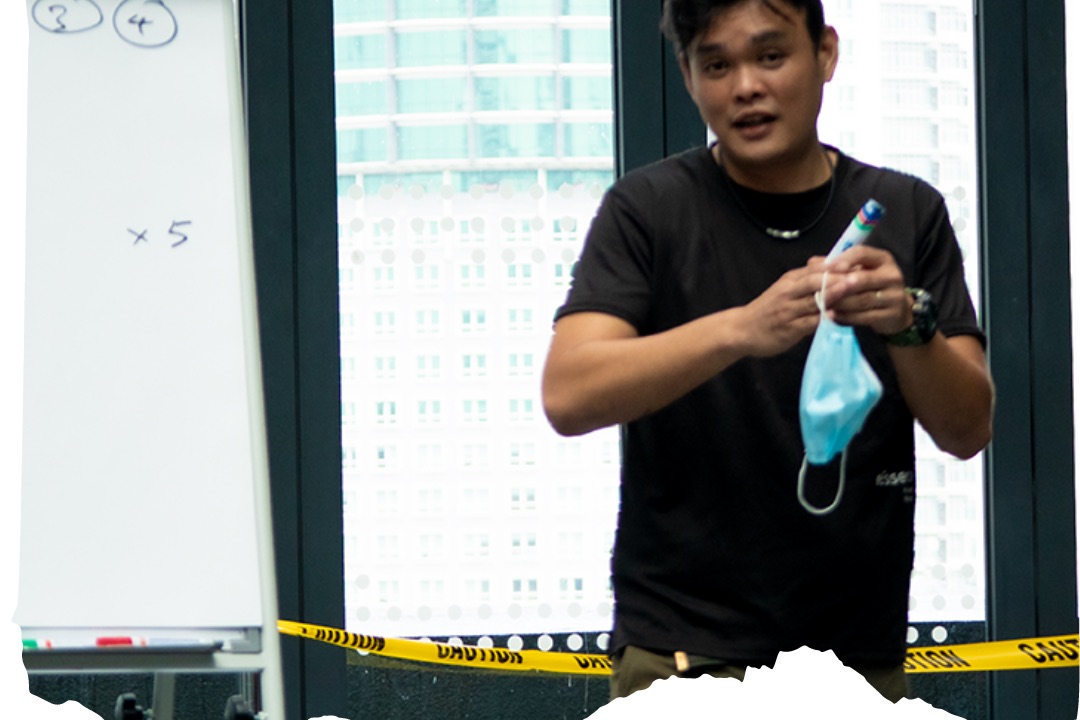
I’ve learned more about people by working with them than by studying them.
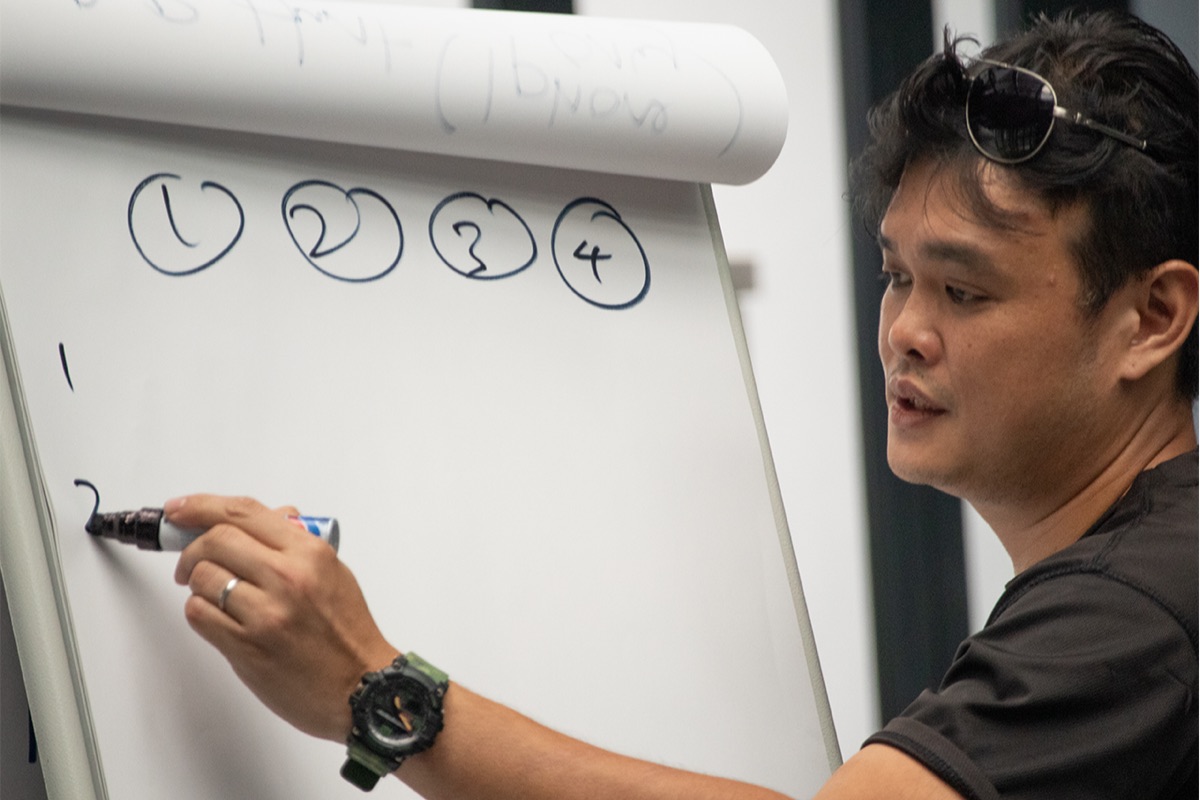
A personal philosophy
I don’t believe people need another person telling them how to live.
Sometimes we just need someone — or something — to help us see what we couldn’t see before.
An open door
We should probably talk.
If something you’ve read here made you curious, challenged you, or gave you an idea, I’d like to hear about it.